
Fasting and Metabolism: Why Some People Thrive and Others Struggle
Two people start the same 48-hour fast on the same day. One is clear-headed and energized by hour 20. The other crashes at hour 14 — shaky, irritable, unable to think straight — and breaks the fast. Same protocol, but completely different outcomes. The difference almost always comes down to one thing: metabolic flexibility.
🔥 What metabolic flexibility actually is
Your body runs on two primary fuels: glucose from carbohydrates, and fat from body stores and dietary intake. Metabolic flexibility is simply how well your body can switch between the two depending on what's available.
In a fed state, glucose is abundant, so your body burns it. In a fasted state, glucose runs low, and a flexible metabolism shifts smoothly to burning fat and producing ketones for energy. This fuel switch is normal, ancient, and exactly what your body is designed to do.
In a metabolically flexible person, this transition is nearly seamless. Energy stays stable, hunger is manageable, and the brain stays sharp. In a metabolically inflexible person, the switch stalls. The body wants glucose but can't get it, and it can't access fat stores efficiently either. That energy gap is what a fasting crash actually is — not weakness, not lack of willpower, but a metabolic system that hasn't been trained to make the shift.
⚡ Why so many people are metabolically inflexible
Metabolic inflexibility has one primary driver: chronically elevated insulin. When you eat frequently — especially processed, carbohydrate-heavy foods — insulin stays elevated throughout the day. And as long as insulin is high, fat burning is chemically blocked. The body never receives a sustained signal to shift over to its backup fuel system.
Over time, the enzymes and cellular machinery needed for fat oxidation become underused. The mitochondria adapt to the fuel they receive most often. A body that runs on constant glucose gradually loses its proficiency at burning fat — not because it lacks fat stores, but because the metabolic pathways have atrophied from disuse.
This is why someone can carry significant body fat and still feel completely depleted when they skip a meal. The fuel is there. The system for using it efficiently isn't. A large NHANES analysis found that only 12.2% of American adults meet all five markers of optimal metabolic health — blood glucose, triglycerides, HDL cholesterol, blood pressure, and waist circumference — without medication. That means roughly 88% of adults are operating with some degree of metabolic dysfunction. It's not a niche problem!
🔎 How to recognize where you stand
Metabolic inflexibility announces itself clearly in daily life. These aren't random symptoms — they're direct signals that the body has become dependent on glucose and struggles to bridge the gap when supply drops.
1. You can't skip meals without crashing. Intense hunger, shakiness, or irritability within a few hours of eating is a classic sign. A metabolically flexible person can go many hours between meals without symptoms.
2. You have strong carbohydrate cravings, especially in the afternoon. The 3 pm slump that sends people reaching for sugar or caffeine is almost always a fuel-switching problem, not a calorie deficit.
3. You feel tired after meals. Post-meal fatigue — needing to rest after eating, particularly after carb-heavy food — suggests your body is struggling to manage the glucose load rather than using it cleanly.
4. You can't exercise fasted. If the idea of training without eating first feels physically impossible, your body hasn't developed the fat-burning capacity to sustain effort without glucose on board.
5. Your weight accumulates around the midsection despite caloric restriction. Central adiposity is strongly linked to insulin resistance. If cutting calories produces fatigue and frustration but not fat loss, it often means the metabolic lock is preventing fat access in the first place.
Blood work can confirm what you suspect. Elevated fasting insulin is the earliest actionable marker — often years before fasting glucose or HbA1c move out of range. A triglyceride-to-HDL ratio above 2.0 is another useful signal. These numbers tell you how locked into glucose dependence your metabolism currently is.
🧬 What happens physiologically during a fasting crash
When anyone begins fasting, the first several hours look the same. Liver glycogen — your body's stored glucose — is used to maintain blood sugar. That supply typically lasts 12 to 18 hours, depending on recent diet and activity level.
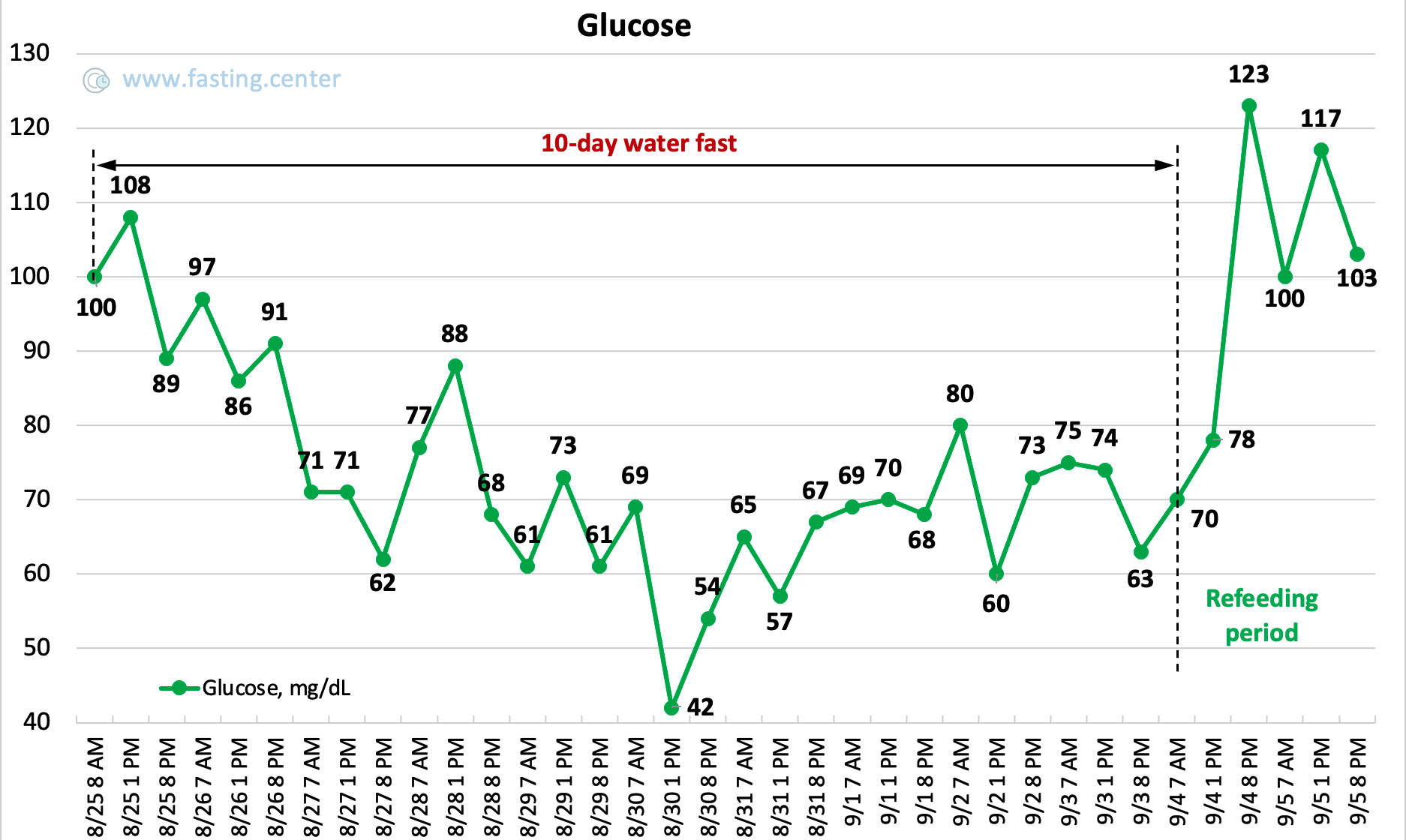
In a flexible metabolism, when liver glycogen depletes, the transition happens almost automatically. Fatty acids are mobilized from adipose tissue, the liver ramps up ketone production, and the brain shifts to running on a combination of glucose produced via gluconeogenesis and ketones. Blood glucose drops and stabilizes — but energy stays consistent.
In an inflexible metabolism, that transition stalls. Insulin sensitivity is impaired, fat mobilization is sluggish, and ketone production is slow to ramp up. The brain — which cannot burn fat directly — experiences a genuine fuel shortage. The shaking, brain fog, irritability, and overwhelming urge to eat are not weakness. They are real physiological signals from a system that doesn't yet have the metabolic machinery to bridge the gap.
🔄 How fasting builds metabolic flexibility over time
Here is the useful paradox at the center of this topic: fasting is hard when you're metabolically inflexible — but fasting is also one of the most effective tools for becoming metabolically flexible.
Every fast, even a 16-hour overnight window, forces the body to practice the fuel switch. Insulin drops, fat mobilization is triggered, and the cellular machinery for fat oxidation gets exercised. Done consistently, this training effect is significant. The enzymes involved in fatty acid oxidation upregulate. Mitochondria adapt. Insulin sensitivity improves, which means insulin stays lower between meals, which means fat burning stays accessible for longer stretches without the crash.
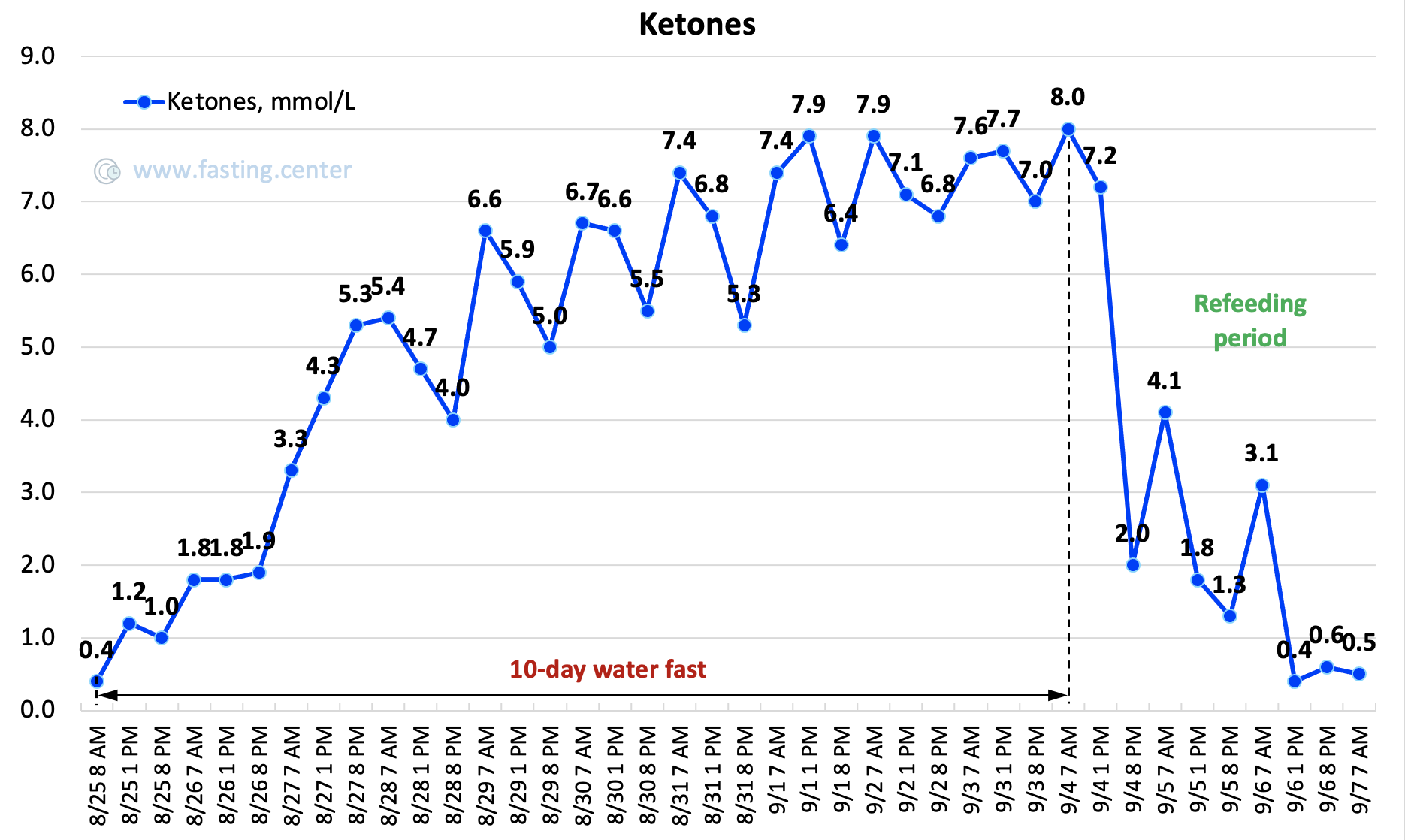
Even short fasts accelerate this process. A 36- or 48-hour fast pushes the body into fat-burning territory that a 16-hour window rarely reaches fully. Blood ketone levels climb. The brain adapts to running on ketones efficiently. And on refeeding, improved insulin sensitivity means the body manages glucose more cleanly than before — less spike, less crash, more stability.
Most people who fast consistently report it gets noticeably easier over weeks and months. Not because they've built willpower, but because their fasting metabolism has genuinely changed. The early difficulty was a metabolic state. What comes after is a different one.
🛠 How to improve your fasting metabolism faster
Fasting alone will get you there, but a few supporting changes accelerate the process significantly.
1. Reduce meal frequency before extending fast duration. If you're currently eating five or six times a day, start by consolidating to three meals with no snacks. Let insulin drop fully between meals before trying longer fasting windows.
2. Lower the glycemic load of your meals. You don't need to go fully keto, but shifting toward protein, vegetables, and healthy fats — and away from refined carbohydrates — keeps insulin lower and gives fat-burning pathways more practice time between fasts.
3. Train fasted when possible. Zone 2 aerobic exercise at an easy, conversational pace specifically trains fat oxidation pathways in skeletal muscle. Done in a fasted state, it compounds the adaptation significantly.
4. Prioritize sleep. Poor sleep elevates cortisol, which raises blood glucose and blocks fat burning. Metabolic flexibility is partly regulated by circadian biology — consistent, adequate sleep is a non-negotiable input, not an optional extra.
5. Give it time and don't judge fasting by the first few attempts. Meaningful adaptation takes weeks, not days. The first two or three fasts may be difficult. That's not fasting being wrong for you — that's metabolic inflexibility showing up as the thing you're actually training against.
📝 Bottom Line
Your fasting experience is largely a reflection of your current metabolic state, not your character. A body that crashes at hour 14 isn't weak — it's undertrained in fat metabolism, usually because it's never been asked to make the switch consistently.
The good news is that this is trainable. Fasting is both the diagnostic and the treatment. Each fast — even short ones — teaches the body to access fat more efficiently, produce ketones sooner, and run stably without constant glucose input. Over time, the same protocol that felt brutal in the beginning becomes routine. That shift is real, measurable, and available to almost everyone who builds toward it systematically.
If you're new to fasting or want to understand the full picture of what happens in your body during an extended fast, start with the Complete Fasting Guide.